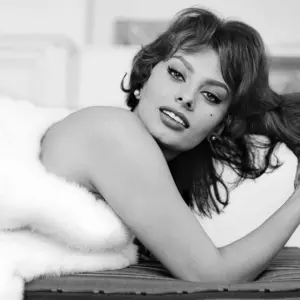
In the 1960s, Elizabeth Montgomery became a great television star when she had a role in one of the most popular comedies of the time. Her image was tightly linked to grace, charisma, and a polished on-screen presence that characterized her time.
As her career went on, the media’s interest in her grew to encompass her public image and appearances as well as her performances. This transition was part of a bigger trend in entertainment coverage, as people were more interested in both the work and the way it was presented.
As digital media became more popular, pictures from different times in her career started to spread more. These pictures were typically put together in groups and given big, eye-catching captions that were meant to instantly grab the attention of the audience.
Titles that relate to certain fashion or visual moments are part of a bigger trend in internet publishing, where language is employed to draw attention to key parts of images. This method shows how some images are shown as important parts of modern media.
Elizabeth Montgomery’s continual recognition illustrates the enduring presence of classic television characters in modern discourse, influenced by their initial contributions and the persistent dissemination of visual media.